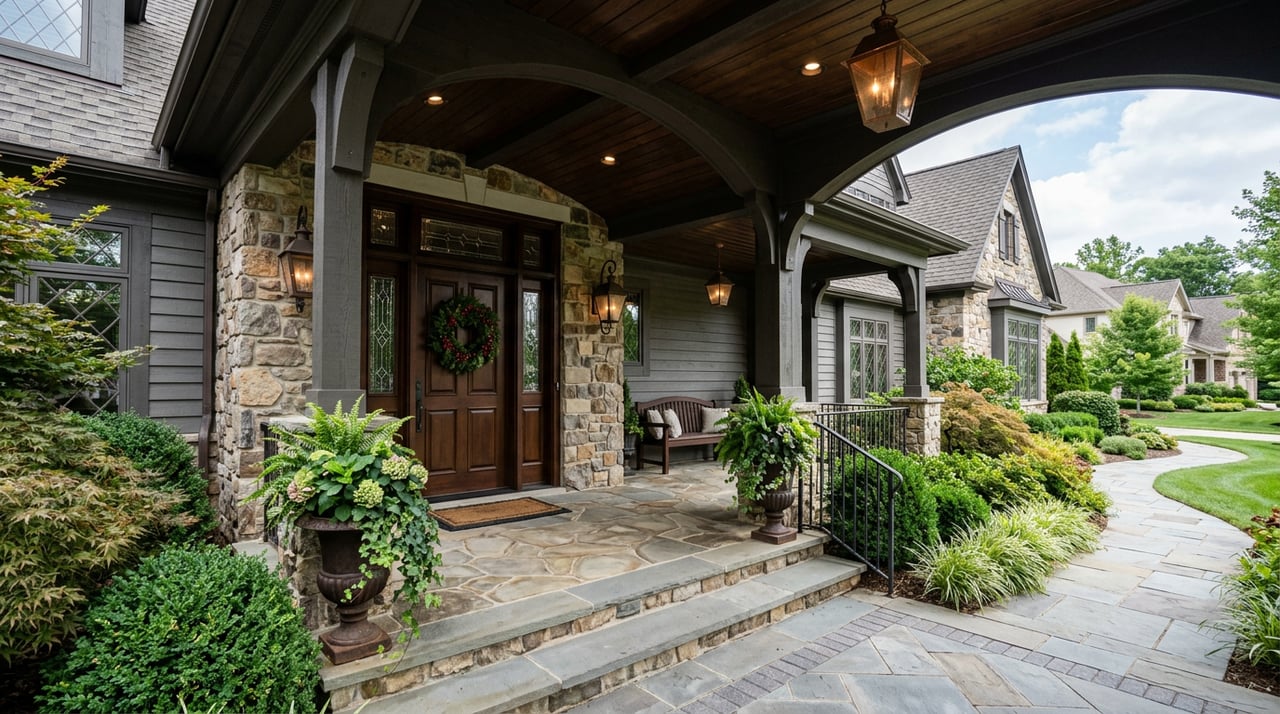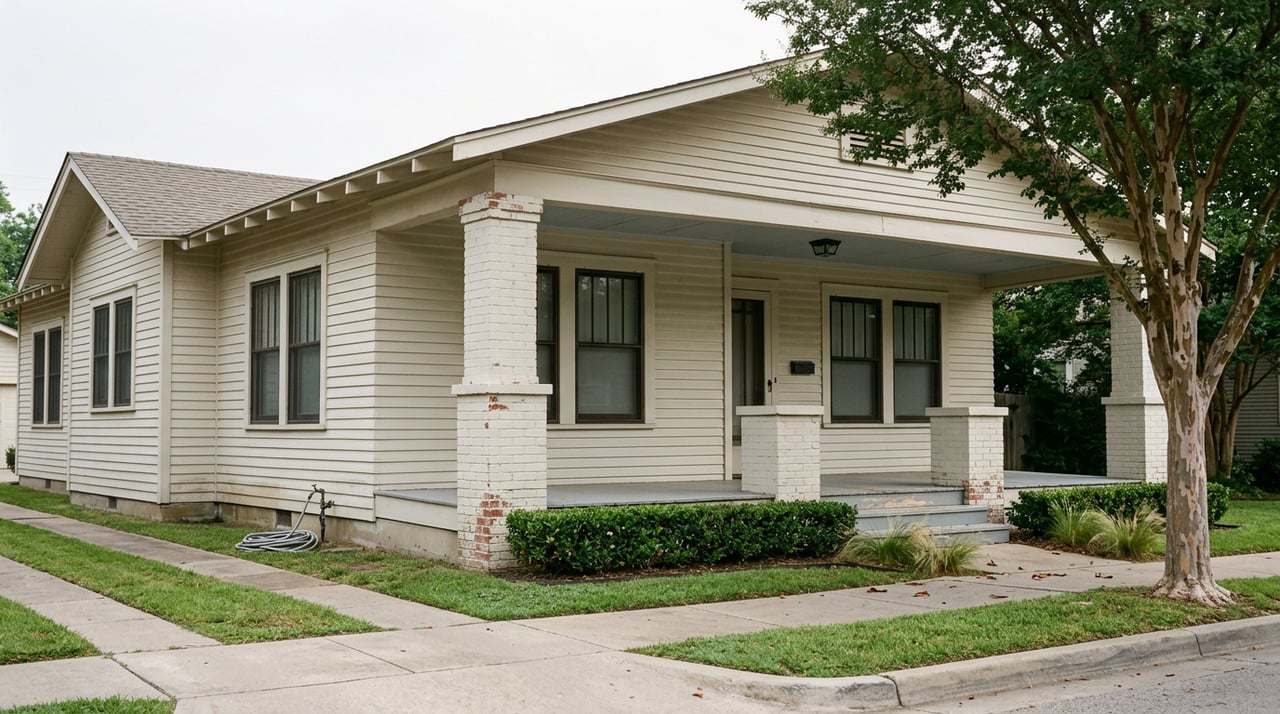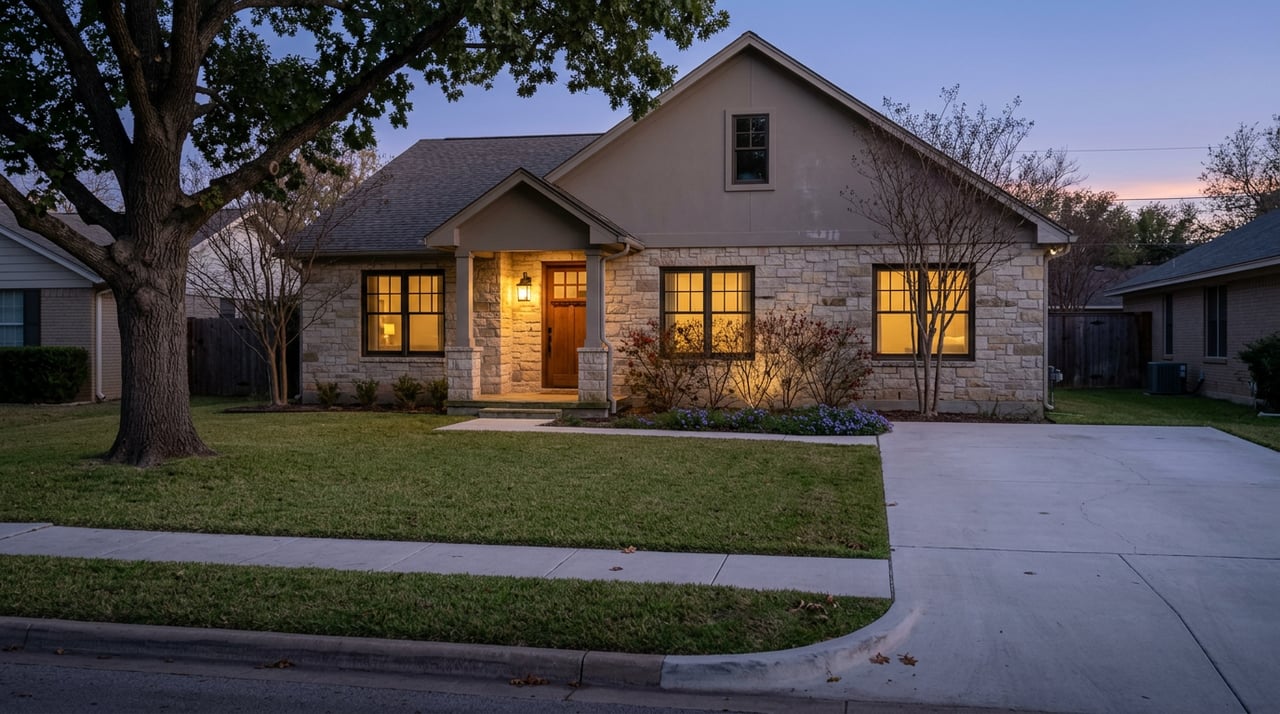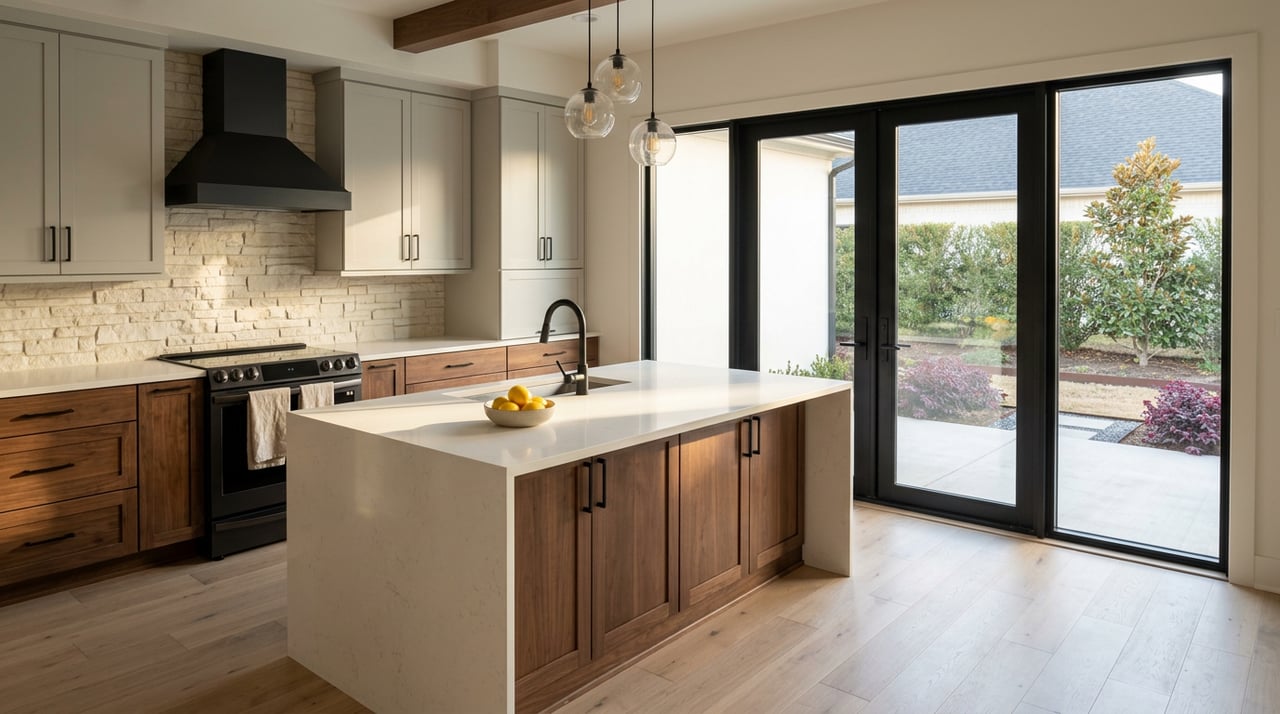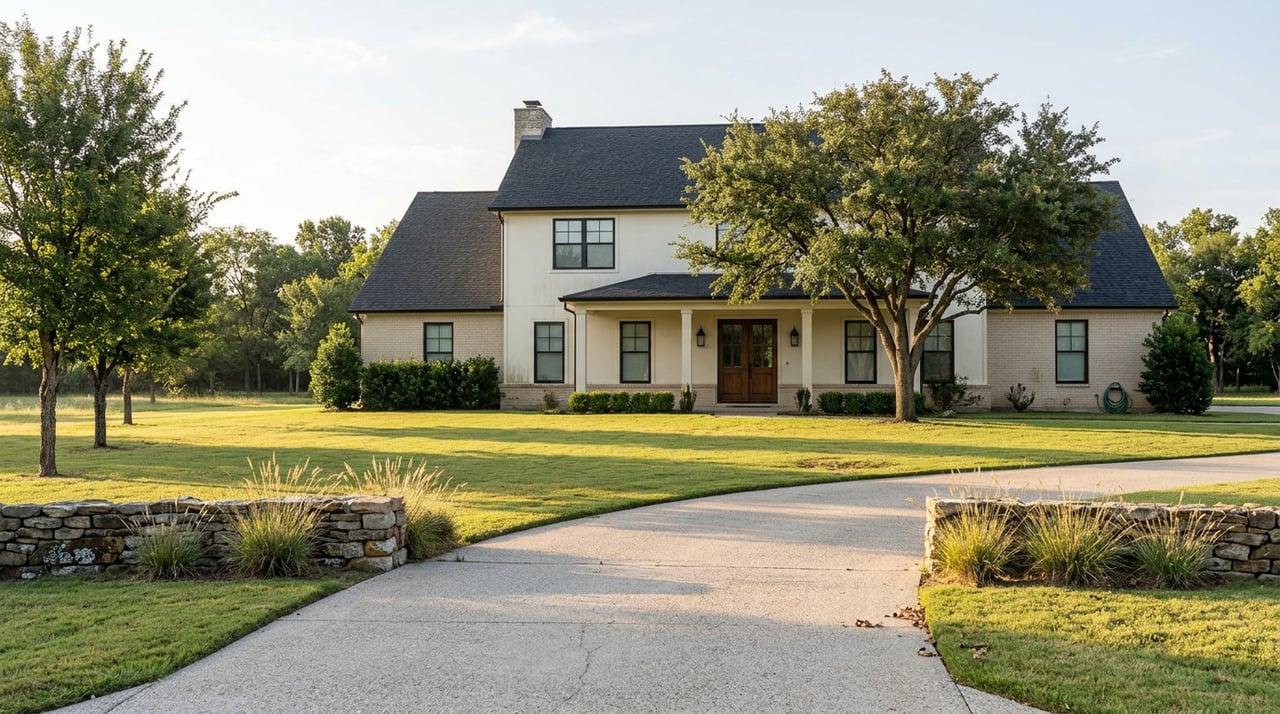
A buyer touring Lucas for the first time usually says some version of the same thing: the house looks like a $650,000 home, so why is it listed for $1.1 million. The kitchen is nice but not extraordinary. The square footage is comparable to something two exits south in Allen. The number on the sign doesn't match the walkthrough.
It isn't the house. It's the ground underneath it, and the city has been legislating that ground's price for years without ever putting a dollar figure on it.
The Zoning Floor Nobody Mentions on the Tour
Lucas controls how much land has to come with every house through its zoning code, and the minimums are the actual starting point for any price conversation in this market. The City of Lucas zoning ordinance sets a residential lot-size floor that scales by district, and none of the tiers are small by DFW suburban standards.
| Zoning District | Minimum Lot Size | Notes |
|---|---|---|
| R1 | 1.0 acre | Standard single-family |
| R2 | 2.0 acres | Larger-estate single-family |
| ED (Estate Development) | 1.5 acres minimum, 4-acre development average | Underground utilities, design controls |
| AO (Agricultural/Open Space) | 6.0 acres | One principal dwelling per tract |
Compare that to a typical platted suburban lot running a quarter acre or less, and the mechanism becomes obvious. A builder in Lucas can't put ten houses on ten acres. Depending on the district, that same ten acres might legally hold five homes, or two, or one. The zoning code isn't describing a lifestyle preference for space. It's a supply constraint written into law, and it caps how many roofs can ever exist per road mile in this city regardless of buyer demand.
What the Floor Does to a Comparable
Once land is the scarce input, price follows the acre, not the architecture. A three-bedroom ranch on two acres in an older Lucas subdivision can out-price a newer, larger custom build in a denser suburb, because the ranch is selling scarcity that the ordinance created and the newer build isn't. This is why a straight price-per-square-foot comparison between Lucas and a neighboring suburb tells you almost nothing. You're not comparing houses. You're comparing a house-plus-mandatory-acreage bundle against a house-plus-standard-lot bundle, and the bundles aren't the same product.
That distinction matters most at the appraisal stage. An appraiser pulling comparables from Allen or Fairview without adjusting for lot size will misprice a Lucas property in either direction, and buyers who walk in anchored to a per-square-foot number from a denser suburb will consistently misjudge what a fair offer looks like here.
Why No Two Sources Agree on the Median
Pull up several different listing sites right now and search for the median home price in Lucas. You won't find three versions of the same number. You'll find figures spread across a range wide enough to look like three different cities, all supposedly describing the same market in the same season.
This isn't sloppy reporting. It's arithmetic. Every source tracking Lucas in mid-2026 shows the city closing somewhere in the single digits to the mid-teens in a typical month. A transaction count that small means one high-value custom estate closing, or not closing, is enough to swing the reported median by six figures without a single home in the community actually losing or gaining value. A suburb the size of Allen or McKinney closes hundreds of homes in the same window, enough volume to absorb an outlier sale without the headline number flinching. Lucas doesn't have that cushion, and neither does anyone trying to read its market off a single month's snapshot the way they would a larger suburb's.
The steadier read comes from the region Lucas sits inside. As of June 2026, MetroTex, the trade association covering North Texas Realtors, reported active listings across the region up 4 percent year over year to 31,914 homes, with months of inventory at 4.4, a market its leadership described as more balanced than pandemic-era conditions while still resting on strong underlying demand. Lucas moves inside that same current. It just has far less volume to smooth the waves, which is exactly why a buyer or seller here should ask for a comparable-based read on a specific pocket of the city rather than trust whichever median a given site happens to be showing that week.
The Cost You Don't See at the Closing Table
The acreage that drives the price up also changes what ownership looks like day to day, and this is where buyers moving from a fully municipal-service suburb tend to get surprised. A meaningful share of Lucas properties run on private septic systems and private wells rather than city water and sewer, which shifts routine maintenance from a utility bill to a homeowner responsibility. That distinction isn't uniform across the city. Established acreage subdivisions built before municipal lines extended out this far are more likely to carry septic and well infrastructure, while some newer sections built closer to Lucas's edges have been developed with utility access already in place. A buyer comparing two listings at similar price points needs to ask which utility setup each one has before assuming the monthly cost of ownership is comparable.
The lot-size story also plays out differently depending on which pocket of Lucas you're looking at. Some subdivisions favor newer, more uniform construction on smaller acreage parcels with lighter day-to-day upkeep. Others sit on larger, older tracts near Lavon Lake where the appeal is space and privacy rather than a manicured, planned-community feel. A third pattern shows up in the handful of neighborhoods built around shared amenities and an HOA structure, which trades some of the open-acreage character for predictable common-area maintenance. None of these is a better or worse choice on its face. They're different bundles of tradeoffs, and the zoning district each one sits in is the reason those tradeoffs exist at all.
A Few Questions Worth Settling Before You Write an Offer
Does every Lucas lot require at least an acre? Not automatically. The minimum depends on the zoning district assigned to that specific parcel, and two lots a few streets apart can sit in different districts with different floors. Confirming the district on the city's official zoning map before you get attached to a property saves a renegotiation later.
Why do different sites show such different median prices for Lucas? Because a median calculated from a handful of sales is sensitive to which specific homes happen to close in a given month, not to a broad shift in what buyers are willing to pay. Watch inventory levels and months of supply for the steadier read, and treat any single month's headline median as a data point rather than a verdict.
Is well and septic ownership a dealbreaker? Not inherently, but it changes your maintenance and inspection checklist. A septic and well evaluation deserves the same attention in a Lucas contract that a foundation inspection gets everywhere else in North Texas, and it's worth confirming during option period rather than after closing.
If you're weighing a move to Lucas against a denser Collin County suburb, the comparison only works once you're pricing the same thing on both sides, the acreage, the utility setup, and the actual transaction volume behind whatever number a portal shows you that week. That's the kind of read that takes local footwork, not a spreadsheet. Monument Realty TX works this market alongside the denser suburbs around it, and we're glad to walk through what a specific lot's zoning district and utility setup actually mean for your offer. Contact us when you're ready to look at real comparables instead of a headline median.